
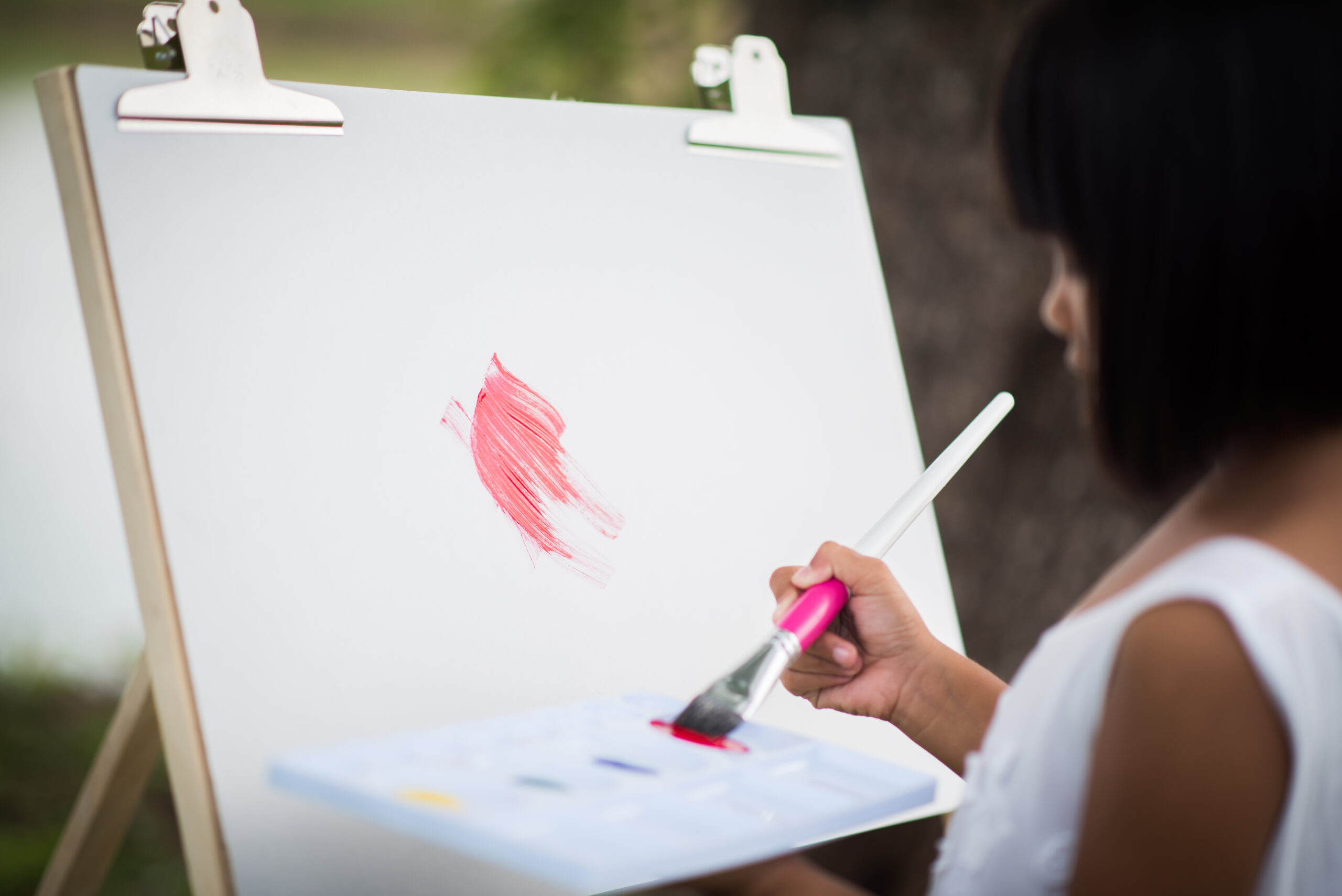
Art has ever been such a beautiful means of holding memories, emotions, and special moments. However, not all of us are confident enough to paint a canvas from scratch.
That is when custom paint-by-numbers comes in. It offers a fresh innovation of art and simplicity that allows anyone to turn a personal picture into a masterpiece of art.
Whether it’s a pet or family portrait, a treasured pet, or a stunning view, the process makes painting easy and fun. In fact, what is so delightful about personal paint-by-numbers is the step-by-step framework, which turns an ordinary picture into a workable masterpiece.
With everything laid out for you, like colors, lines, and materials, you can sit back and have fun with the creative process.
Let’s walk through the process of how a photo makes it into a custom paint-by-numbers kit and ends up as a finished piece of art that you can hang on your wall.
How Photos Are Transformed Into Canvases?
The beauty of custom paint-by-numbers is that it transforms complex photographs and distills them into easy, paintable lines without losing their emotional impact.
Each step ensures that even a beginner can produce a painting that is professional and very personalized in appearance.
With a paint by numbers custom kit, your favorite memories are carefully converted into a guided canvas, making it possible to recreate cherished photos as works of art.
Below are ways photos are transformed into canvases;
1. Photo Selection
The process begins with the most important choice—selecting the right photo. There needs to be a clear, high-resolution shot. If the photograph is fuzzy, grainy, or low-lighted, it is difficult to translate key detail to paint.
Whether it is a close-up of a beloved pet, a family photo, or a view from a vacation, the photograph must be in sharp focus so that the object you want to highlight appears in it.
Since the painting will minimize detail to color blocks, the sharper you start, the more pleasing the end product.
2. Digital Conversion
Once you’ve chosen your photo, it undergoes a digital transformation. Specialized software analyzes the image and converts it into a simplified, color-blocked design. Each section is outlined and numbered, with every number corresponding to a paint color.
Closely textured materials, like fur, hair, or leaves, are divided into workable sections, making the painting accessible without sacrificing the original picture’s integrity.
This step bridges the technology-art gap, enabling even an inexperienced painter to make a copy of the selected image.
3. Canvas Preparation
The new design is then printed onto a durable, high-quality canvas. The numbers and lines serve as a reference, telling you where the colors go. These canvases are rolled or pre-stretched to endure, making them hassle-free.
The numbering system does seem simple initially, but as the painting progresses, the blocks blend together seamlessly into a beautiful, detailed piece that bears a striking resemblance to the actual image.
4. Kit Assembly
A paint-by-numbers kit that has been custom-painted is not just a painting. It’s an entire package with the goal of giving you all you need to succeed. Besides the canvas, the kit includes a pack of pre-colored acrylic paint, carefully matched to the numbered sections of the canvas.
5. Your Creative Touch
The final and most rewarding step is to bring your portrait to life with paint. This is where imagination and perseverance come into play. As you complete each numbered section gradually, your portrait takes shape. At first, a collection of shapes and lines eventually takes on the life of a living painting, stroke by stroke.
Tips for Choosing the Best Photo
Although the process can be applied to most images, not all photos are ideal for a paint-by-numbers translation. Making a smart decision will help the final piece of art look its best and be easily recognizable.
1. High Resolution
Resolution is the key when translating pictures into paintings. A high-resolution picture picks up minute details, such as the glint in an eye, the shape of a smile, or the texture of hair. Those details can be translated into paintable areas.
Low-resolution pictures tend to create a fuzzy, low-detail painting. Always use the brightest, most clear version of your picture.
2. Good Lighting
Lighting is crucial in how well your photo transforms into a paint-by-numbers. Photos taken under natural light work well because they include balanced color and highlights.
Shaded or dark photographs will be difficult for programs to recognize details, while overly bright photos wash out interesting details. Use properly lit photos where the subject is clearly visible.
3. Simple Backgrounds
Busy or cluttered backgrounds can distract the viewer from the central subject and give the painting a dirty appearance. Select images with clean or neutral backgrounds.
A simple background emphasizes your subject and makes the painting process easier, as there are fewer distracting details to add.
For portraits, blurred backgrounds (like those taken with phones in portrait mode) often produce the best results.
Conclusion
Personalized paint-by-numbers kits transform ordinary pictures into extraordinary keepsakes, blending advanced technology and timeless art.
The process of making art, from selecting the picture to digitizing it, preparing the canvas, and painting it, has been made easy enough for anyone to follow.
If you choose a decent picture and take your time with the painting, you will create a work that not only resembles the picture but also the memory and emotion behind it.