
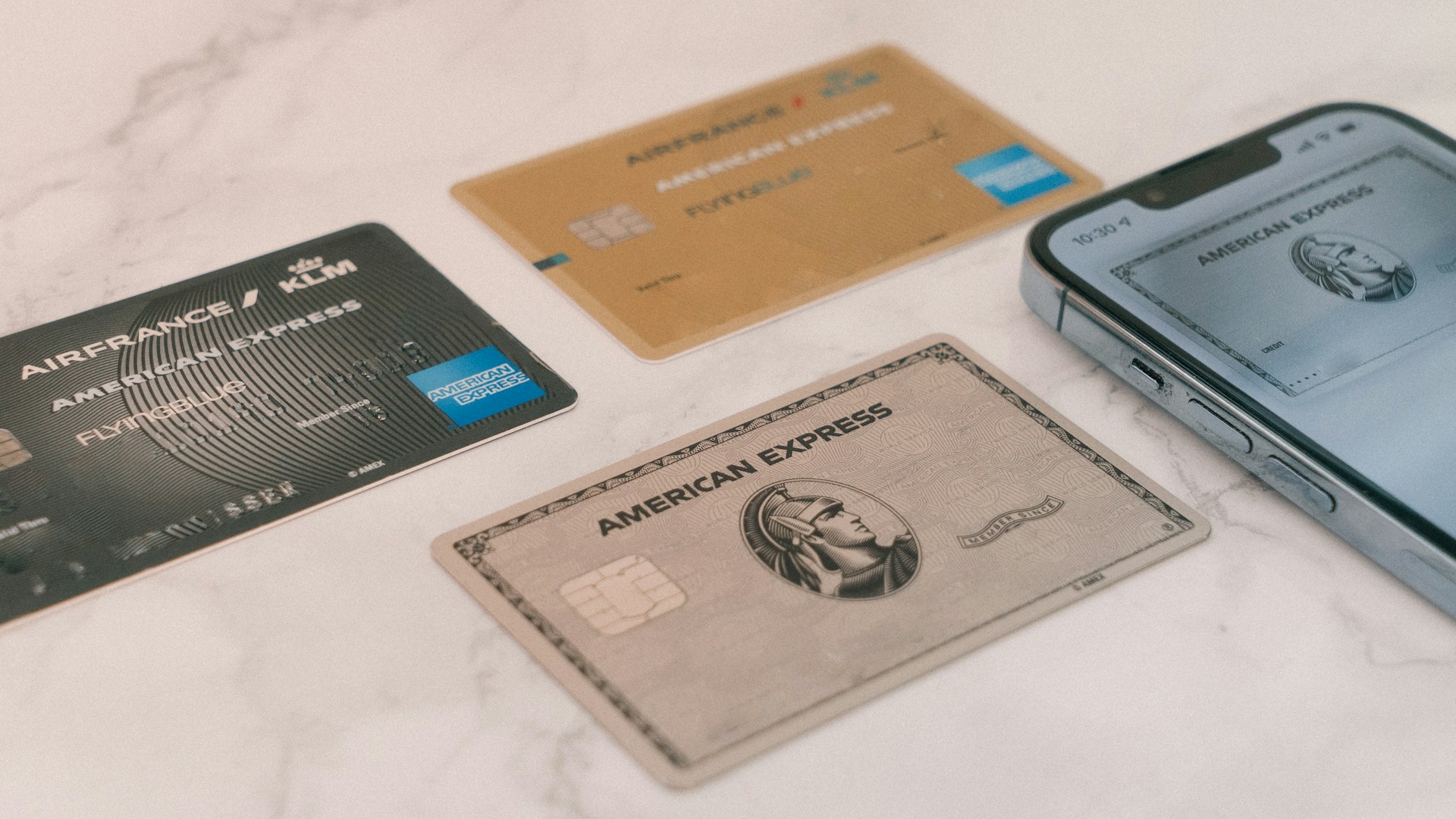
Over the past few years, online gambling platforms have quietly changed how money moves on and off the screen. Payment methods are no longer a background detail, they shape pacing, presentation, and overall enjoyment. As casinos lean further into live studios, polished interfaces, and TV-style formats, the choice between PayPal and traditional cards has become part of the entertainment equation itself, not a technical footnote.
Two familiar options, very different rhythms
At a glance, PayPal and debit or credit cards serve the same purpose. Both move funds quickly and both feel familiar to most players. The difference appears in how they fit into the flow of the platform.
Card payments feel direct and traditional. Numbers are entered, confirmation follows, and the balance updates. It is a process many associate with everyday online shopping. PayPal, by contrast, acts like a shortcut. Once linked, it reduces the time and keeps the focus on the interface rather than the form.
That small distinction matters more than it sounds. In entertainment-driven casinos, anything that interrupts the visual rhythm stands out.
Cards, reliable and quietly invisible
Debit and credit cards remain the backbone of online gambling payments. They are accepted almost everywhere and rarely require extra setup. For players who value familiarity, cards blend into the background with minimal thought.
From a presentation standpoint, cards work best when the platform design is clean and fast. Modern casinos streamline card deposits into short steps, often with saved details and instant confirmation. When done well, the experience feels smooth enough to disappear.
Cards also integrate naturally with mobile layouts. A few taps, biometric confirmation, and the session continues. There is no sense of switching environments or being redirected elsewhere.
The trade-off is subtle. Card payments always feel like a transaction first and entertainment second.
PayPal, the fast lane feeling
PayPal brings a different energy. Its biggest strength is momentum. Deposits happen without re-entering card details, which keeps attention anchored to the casino interface itself.
That speed supports a more fluid experience, especially in live dealer environments. When a live blackjack table or game show round is already in motion, PayPal feels like part of the broadcast rather than an interruption.
There is also a psychological separation at play. PayPal acts as a buffer between the platform and the bank, which can make the experience feel lighter and more controlled. It resembles topping up a streaming wallet rather than making a purchase.
Is that smoother flow noticeable during longer sessions? For many, yes, especially when switching between casino games and sports betting within the same platform.
Visual design meets payment choice
Modern casinos invest heavily in interface design. Animated lobbies, studio lighting, and real presenters set a tone closer to live television than traditional gaming. Payment methods that match that polish tend to feel more natural.
PayPal integrates neatly into this environment. Its pop-up confirmations are brief and visually consistent. Card payments, while reliable, sometimes pull attention toward forms and security steps.
That does not mean cards diminish enjoyment, but they do not actively increase it either. PayPal, when available, often complements the overall design language.
Speed, pacing, and session flow
Both PayPal and cards deliver fast deposits. The difference lies in perceived speed. PayPal feels instant because fewer decisions are required. Cards can feel equally fast, yet still more procedural.
Withdrawals also play into pacing, though experiences vary by platform. PayPal withdrawals often feel closer to instant digital transfers.
On well-designed platforms like Betinia NJ, where casino and sports betting coexist within a unified layout, payment speed supports the feeling of a single, uninterrupted experience rather than separate sections stitched together.
Final take
Online gambling has become more about atmosphere than mechanics. Payment methods now play a supporting role in that shift. Cards deliver stability and universal access. PayPal delivers momentum and polish.
When the goal is uninterrupted entertainment, live visuals, and smooth transitions, PayPal often feels like the more natural companion. Cards remain a solid classic. The better choice depends less on function and more on how much the flow of the experience matters.
Regardless of the method you choose, it’s important to gamble responsibly, set clear limits, and treat online gambling strictly as a form of entertainment, not a way to make money.