
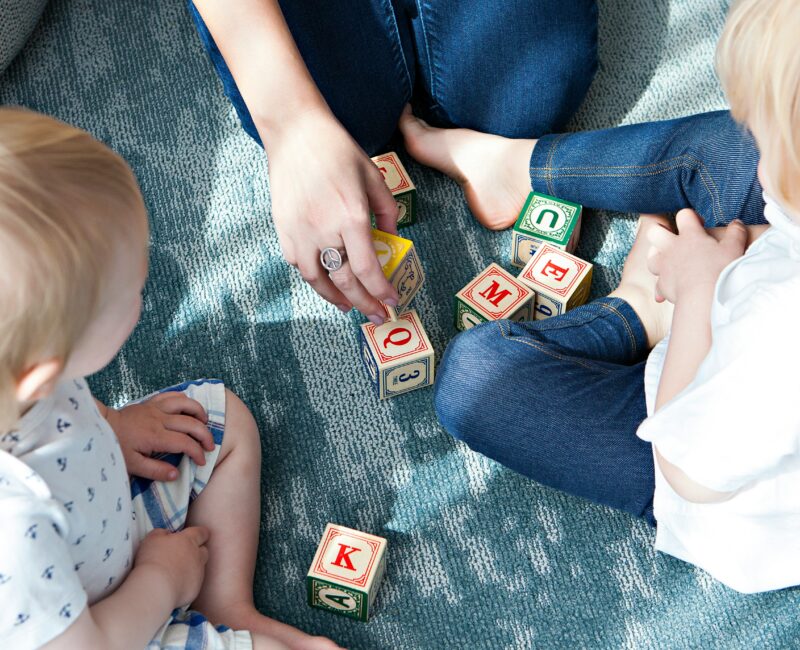
Childhood emotional neglect occurs when a caregiver consistently fails to notice, respond to, or validate a child’s emotional needs. Unlike more visible forms of harm, emotional neglect is defined not by what happens — but by what doesn’t.
It may include:
- Ignoring a child’s emotional reactions
- Correcting behavior without exploring the feeling behind it
- Expecting the child to manage overwhelming emotions alone
- Failing to provide comfort, reassurance, or emotional guidance
In some homes, the child gradually begins managing the emotional atmosphere of the household — adapting to tension instead of expressing their own feelings.
Because emotional neglect happens through omission rather than action, it often goes unrecognized. The family may appear functional from the outside, while the child’s emotional world remains unsupported.
What Emotional Neglect Looks Like in Childhood
Emotional neglect can manifest differently in each child. Below are common patterns associated with childhood emotional neglect.
1. Difficulty Expressing or Naming Emotions
Children learn emotional awareness through mirroring. When caregivers do not respond to emotional cues, children may suppress feelings or struggle to identify them.
2. Hyper-Independence at a Young Age
A child may appear unusually self-sufficient, learning to meet their own needs because emotional support feels unreliable.
3. People-Pleasing or Perfectionism
When approval seems linked to performance rather than emotional presence, children may suppress needs and over-focus on achievement.
Long-Term Effects in Adulthood
Many adults begin to explore emotional neglect only later in life, when recurring patterns become more visible.
Common long-term effects may include:
Chronic Emotional Numbness
A sense of being physically present but emotionally disconnected.
Low Self-Worth
Internal beliefs such as “my needs don’t matter” or “I shouldn’t ask for support.”
Difficulty Identifying Personal Needs
Years of suppressing emotions can make it challenging to name or prioritize them later.
Hyper-Independence
Reluctance to rely on others, often paired with emotional self-isolation.
Where Quantum Biofeedback Fits In
Quantum biofeedback does not diagnose or treat emotional neglect or psychological conditions. Emotional neglect is best addressed through qualified mental health professionals.
However, individuals who experienced emotional neglect often report difficulty recognizing stress signals or regulating emotional activation. Quantum biofeedback is a non-invasive, frequency-based monitoring system that provides real-time feedback on physiological stress patterns.
Some individuals use biofeedback as a complementary tool to:
- Increase interoceptive awareness (awareness of internal bodily signals)
- Recognize stress responses more clearly
- Practice relaxation and nervous system regulation
- Support mind–body integration
By enhancing awareness of physiological reactions, biofeedback may support individuals who are learning to reconnect with internal emotional cues.
Moving Forward
Emotional neglect can remain invisible for years, yet its effects are real. Recognizing these patterns is not about blame — it is about understanding.
With awareness, safe relationships, and consistent support, individuals can gradually strengthen emotional flexibility, build healthier boundaries, and develop a more compassionate relationship with themselves. Reconnecting with your emotional world is often a gradual and deeply personal process. It begins with noticing small internal signals — a shift in mood, a sense of tension, or a need for rest — and allowing them to exist without judgment. Over time, these moments of awareness can help rebuild trust in your own feelings. Developing emotional language, practicing self-compassion, and creating space for vulnerability can support this process. Change does not happen overnight, but consistent, gentle attention can lead to meaningful transformation. With the right support, it becomes possible to experience greater clarity, connection, and a more grounded sense of self.